The refusal by the European Union and donor countries to approve €300 million in emergency funding for the Palestinian Authority has further intensified its financial crisis, amid a severe liquidity shortage affecting government operations.
The request, presented during a recent donors’ meeting in Brussels, did not receive backing from EU member states or participating donors, according to informed sources. Officials maintained that the bloc has already provided unprecedented levels of financial support.
A €1.6 billion assistance package covering the period 2025–2027 has already been approved, with any additional funding requiring unanimous consent from all 27 EU member states.
Sources indicated that donors increasingly believe further financial support would not resolve the underlying crisis, particularly as Israel continues to withhold Palestinian tax revenues. These revenues, estimated at more than $5 billion, account for around 68 per cent of Palestinian public revenues, leaving external aid insufficient to address the structural fiscal imbalance.
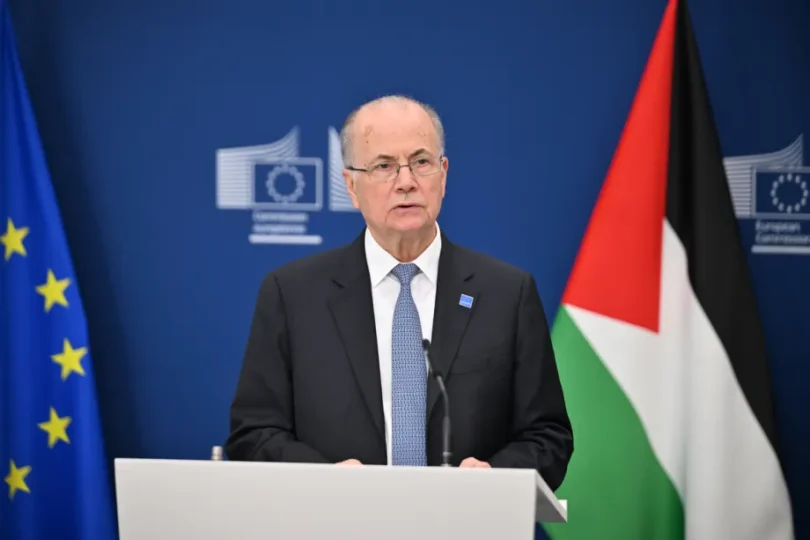
Palestinian Prime Minister Mohammad Mustafa and the Minister of Finance and Planning took part in the meeting. Mustafa called for the immediate release of withheld revenues, the easing of banking liquidity restrictions, and urgent budget support.
However, these demands did not receive a concrete response from donor countries, underscoring the growing gap between Palestinian financial needs and international willingness to provide additional assistance.