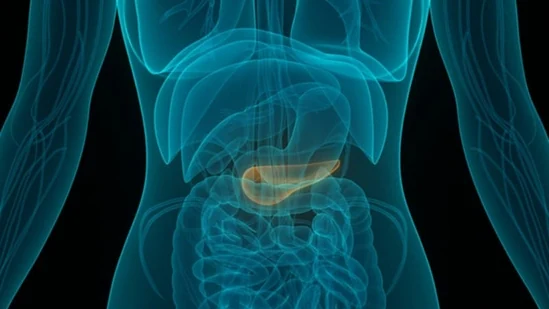
When former Nebraska Sen. Ben Sasse was diagnosed with Stage 4 pancreatic cancer in December, he was given three to four months to live. Now a drug by Revolution Medicines is giving him precious more time with family and provides new hope to patients with the deadly disease.
Experimental therapies are considered successful if they extend survival by even a few months.
Revolution Medicines reported last week that patients who took its small molecule pill daraxonrasib lived a median of 13.2 months, compared to 6.7 months for those who received chemotherapy. It reduced the risk of death by 60% compared to the chemotherapy group. Doctors are heralding the results as a revolution in pancreatic cancer treatment.
A six-month survival benefit is considered enormous in any cancer trial. Experimental therapies are considered successful if they extend survival by even a few months. But the benefit is even more significant for pancreatic cancer because treatment options are scarce and the prognosis is bleak. The five-year survival rate for Stage 4 is 3%.
Patients stand better odds if their cancer is caught early (40%) and tumors can be removed. But the usual course of treatment is rounds of chemotherapy and radiation. Unlike for other cancers, immunotherapies and targeted treatments haven’t proven effective. RAS mutations that drive tumor growth in 90% of pancreatic patients—as well as a large share of colon and non-small cell lung cancer cases—have long been considered “undruggable.” Revolution’s daraxonrasib shows otherwise.
The drug works by inhibiting RAS proteins that promote tumor growth. While it can cause unpleasant side effects like skin rashes, chemotherapy isn’t a walk in the park and suppresses the immune system, making patients susceptible to secondary infections. Mr. Sasse has vouched for the drug’s benefits, notwithstanding nasty side effects.
He noted in a recent interview with StatNews published last week that his CA 19-9 levels—a common blood marker of pancreatic cancer—had plunged from north of 8,000 to about 374. “That’s huge. Something like 60% tumor volume,” he said. Some in the glass-is-half-empty crowd say the drug’s survival benefit isn’t meaningful since patients are likely to die anyway.
But treatment advances always occur at the margin, and most patients would cherish another six months of life. New therapeutic advances could come along that further extend life. Revolution is running trials on a next-generation RAS inhibitor that could be even more effective, as well as testing daraxonrasib in non-small cell lung cancer.
An experimental drug that targets another protein involved in pancreatic cancer slashed the risk of death by 38% when combined with chemotherapy, Northwestern University reported this week. Twice as many patients who received the drug were alive after one year than in the control group. Combining treatments has the potential to improve survival.
Ditto advances in AI, which have shown the potential to detect pancreatic cancer on CT scans at earlier stages and with greater sensitivity than can radiologists. The biggest impediment to cancer progress is a defeatist mindset that extending lives isn’t worth the cost. Let’s hope that view doesn’t take hold at the Food and Drug Administration.