Europe has “maybe 6 weeks or so of jet fuel left,” the head of the IEA warned (Image: Getty)
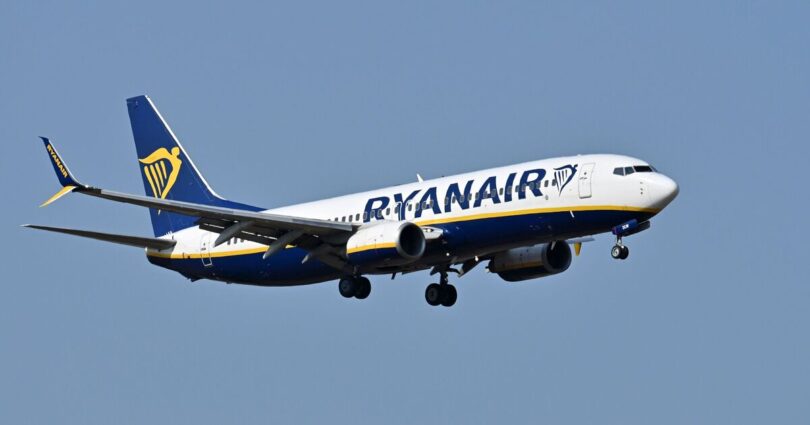
Europe has “maybe 6 weeks or so (of) jet fuel left,” the head of the International Energy Agency said Thursday in a wide-ranging Associated Press interview, warning of possible flight cancellations “soon” if oil supplies remain blocked by the Iran war.
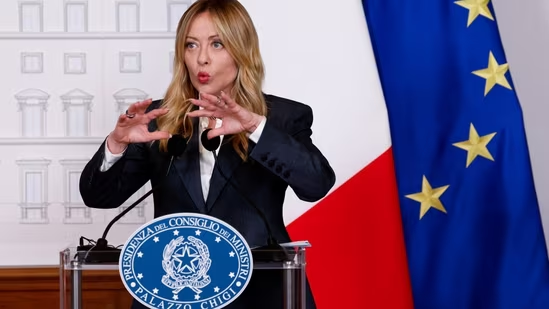
IEA Executive Director Fatih Birol painted a sobering picture of the global repercussions of what he called “the largest energy crisis we have ever faced,” stemming from the pinch-off of oil, gas and other vital supplies through the Strait of Hormuz. “In the past there was a group called ‘Dire Straits.’ It’s a dire strait now, and it is going to have major implications for the global economy. And the longer it goes, the worse it will be for the economic growth and inflation around the world,” he said. The impact will be “higher petrol (gasoline) prices, higher gas prices, high electricity prices,” Birol told AP, with some parts of the world “hit worse than the others.”

International Energy Agency Executive Director Fatih Birol speaks during an interview with AP (Image: AP)
READ MORE: ‘Queues’ at dealers for electric cars as forecourt reports sales almost triple
READ MORE: Airlines warn grounding flights ‘may be unavoidable’ due to fuel crisis
“The front line is the Asian countries” that rely on energy from the Middle East, he said, naming Japan, Korea, India, China, Pakistan and Bangladesh.
“Then it will come to Europe and the Americas,” he added, speaking from his Paris office looking out over the Eiffel Tower.
If the Strait of Hormuz isn’t reopened, he said that for Europe, “I can tell you soon we will hear the news that some of the flights from city A to city B might be canceled as a result of lack of jet fuel.”
Last month, Birol warned that the energy crisis would worsen in April as oil supply constraints worsen.
He said: “In April, there is nothing. The loss of oil in April will be twice the loss of oil in March.”
Birol also warned that shortages could spread beyond aviation fuel, saying: “On top of that you have LNG and others. It will come through to inflation, I think it will cut economic growth in many countries, especially emerging economies.”

Europe faces jet fuel shortage risk as Hormuz disruption hits supply, Liege, Belgium (Image: Olivier Hoslet/EPA/Shutterstock)
“In many countries the rationing of energy may be coming soon.”
Since the US-Israeli strikes erupted on February 28, air travel has faced significant disruption, with cancelled routes and a sharp rise in the cost of jet fuel.
The situation was further exacerbated by Iran’s blockade of the Strait of Hormuz, through which around 20 per cent of the world’s oil and gas passes, triggering a worldwide shortage.
On Wednesday, Lufthansa warned that grounding flights “may be unavoidable” as the fuel crisis continues to push up costs across the aviation industry.
Lufthansa CEO Carsten Spohr told German newspaper Frankfurter Allgemeine Zeitung: “Kerosene will remain in short supply and therefore more expensive for the rest of the year.”
He also noted that the supply of kerosene, widely used as aviation fuel, is critical for airports, particularly those across Asia.
Virgin Atlantic also announced this week that it had raised some of its flight prices by as much as £360 in response to the fuel crisis.
The increases stem from an additional £50 fuel surcharge on economy-class tickets, while premium economy fares are climbing by £180 and business class by £360.
Virgin Atlantic Chief Executive Corneel Koster warned passengers that flight prices could continue to climb in the months ahead and potentially for the remainder of the year.
He said:” “We have never seen jet fuel at this level and airlines cannot sustain those sorts of high costs. If the fuel price goes much higher, I think the surcharges may go higher. If they go up in a week and you book in two weeks’ time, you’ll be paying higher.”
While there are currently no fuel shortages, Koster acknowledged it was impossible to guarantee supplies further down the line.