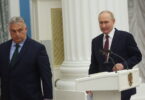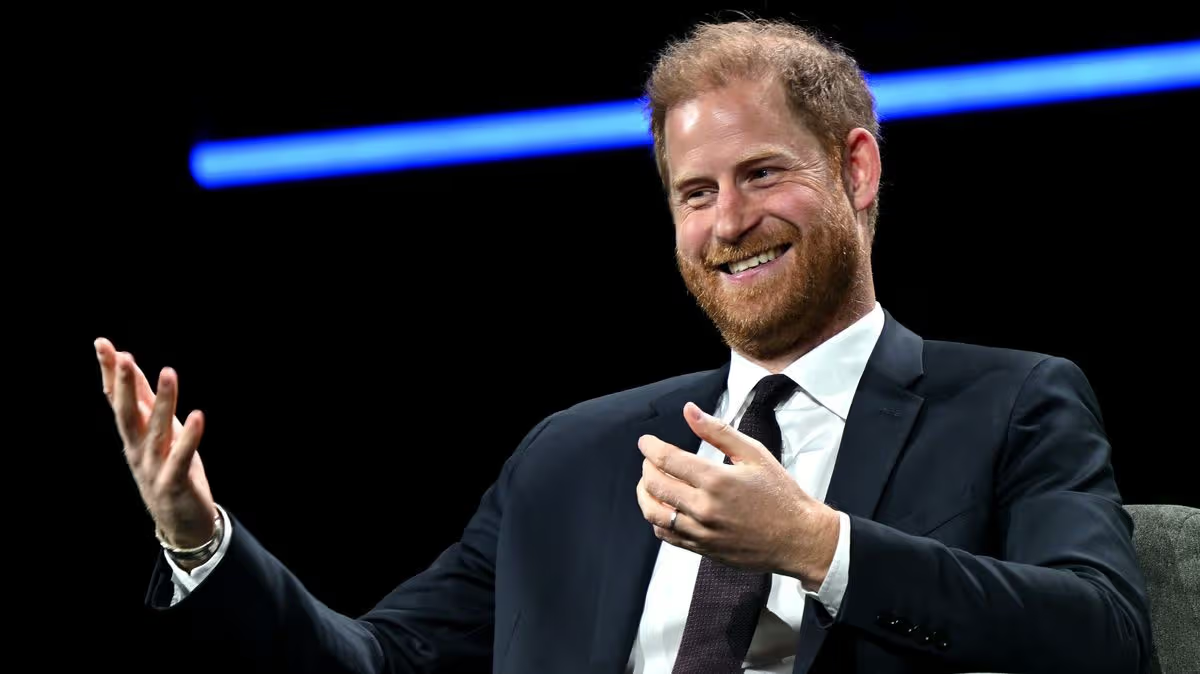
Ousted Hungarian PM Victor Orban (Image: Getty)
With Viktor Orban ousted after 16 years in power, attention has shifted to the remaining global figures aligned with Donald Trump’s nationalist and populist orbit. The Hungarian result was a seismic shift; the opposition alliance, led by Peter Magyar, successfully capitalised on economic stagnation and a series of high-profile corruption scandals that eroded Fidesz’s once-impenetrable base.
This defeat, ending the longest-serving premiership in the EU, has sharpened scrutiny on leaders who combine strong executive power with anti-establishment messaging. So which prominent figures still shape that political space?
READ MORE: Sky News car crash as stammering Labour minister dodges easy question six times
READ MORE: Pope Leo hits back at Trump after astonishing attacks – ‘Sorry to hear that’

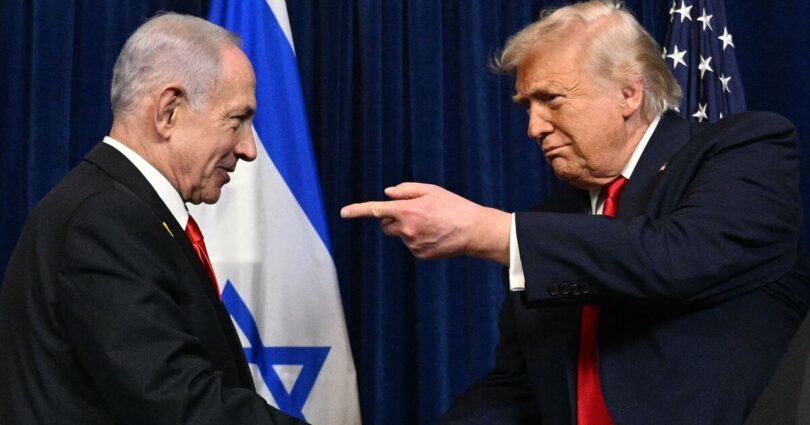
Donald Trump and Israeli Prime Minister Benjamin Netanyahu (Image: Getty)
Benjamin Netanyahu
Israel’s leader has maintained a long-standing political relationship with Mr Trump, strengthened during the latter’s presidency when US policy closely aligned with Netanyahu’s government, including the recognition of Jerusalem as Israel’s capital.
Mr Netanyahu’s tenure has been marked by deep domestic polarisation, particularly over judicial reforms that critics argue weaken institutional checks and balances.
While Israel’s geopolitical position differs sharply from Hungary’s, Mr Netanyahu is frequently cited in debates over strongman-style governance and institutional strain.

Italian PM Giorgia Meloni (Image: Getty)
Giorgia Meloni
Italy’s prime minister leads a right-wing coalition that has drawn comparisons to Trump-era politics, particularly on immigration control, cultural identity and scepticism toward EU centralisation.
Unlike Mr Orban, Ms Meloni has largely worked within EU frameworks while still pushing a nationalist agenda that resonates with European conservative movements.
Hungary’s political shift is likely to increase pressure on her government to define how far it is willing to align with more hardline populist positions in the bloc.

Indian PM Narendra Modi (Image: Getty)
Narendra Modi
India’s prime minister has cultivated a strong relationship with Mr Trump based on shared themes of nationalism, economic self-reliance and assertive leadership style.
Mr Modi’s government has faced sustained criticism from opponents who argue democratic institutions and minority protections have been weakened under his rule, though supporters reject that framing and point to electoral legitimacy.
As one of the most powerful leaders outside the Western alliance system, Modi remains a central figure in the global network of right-leaning populist governance.

Turkish President Recep Tayyip Erdogan (Image: Getty)
Recep Tayyip Erdogan
Turkey’s president has governed for more than two decades, overseeing a major consolidation of executive power and an increasingly centralised political system.
Mr Erdogan maintained a functional relationship with Mr Trump during his presidency despite tensions over Syria, sanctions and NATO dynamics, reflecting a pragmatic but volatile partnership.
His position between Russia, Europe and the Middle East places him in a similar category of transactional strongman leadership that Mr Orban also embodied within the EU context.

Argentina’s President Javier Milei (Image: Getty)
Javier Milei
Argentina’s president represents a newer strand of Trump-aligned populism, built around radical economic liberalism, anti-establishment rhetoric and direct attacks on traditional political elites.
Mr Milei has openly expressed ideological affinity with Trump-style politics, positioning himself as a disruptor of entrenched state structures and political consensus.
His rise indicates the way in which populist movements continue to evolve beyond Europe and North America, even as Mr Orban’s defeat suggests limits to their consolidation in established democracies.