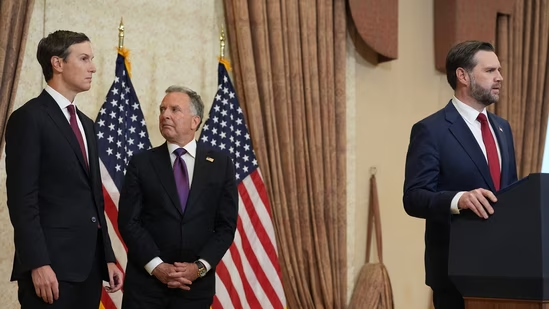
Have the diplomatic efforts to de-escalate the flare-up between Iran and the US fallen flat again? The outcome of Pakistan-mediated Islamabad talks between Tehran and Washington that lasted for nearly 14 hours doesn’t look promising as US vice president and chief US negotiator said in a press conference on Sunday morning that they are going back to the US ‘without a deal’ after the Iranians refused to accept American terms not to develop a nuclear weapon. Track latest updates on Iran-US talks in Islamabad
Vance did not disclose the details of the high-stakes negotiations publicly, but asserted that the failure to reach a deal was “bad news for Iran” more than for the United States, as the US team headed back without a deal.
Also read: First Indian vessel crosses Strait of Hormuz strait after US-Iran ceasefire
“We are not going to negotiate in public after we just did that in private for 21 hours,” Vance said at the press briefing.
‘Bad news for Iran’
Vance said that the two sides had a number of substantive discussions with the Iranians and called it ‘good news’. But was quick to add, “The bad news is that we have not reached an agreement — and I think that’s bad news for Iran much more than it’s bad news for the United States of America.”
“But the simple fact is that we need to see an affirmative commitment that they will not seek a nuclear weapon, and they will not seek the tools that would enable them to quickly achieve a nuclear weapon,” Vance said in the press briefing.
Also read: ‘This is the last warning’: What transpired between US and Iran forces in Hormuz waters as talks went on in Islamabad
Claiming that the US side was ‘very flexible’ during the talks, Vance said they were at the negotiations table with a ‘simple offer, a method of understanding’. “That is our final and best offer,” he said.
Mistrust galore in Iran’s response to Islamabad talks
Iran’s response after hours of negotiations with the US reflected the mistrust that has been overshadowing the diplomatic efforts. Iran’s foreign ministry spokesperson Esmail Baghaei says that they will not forget the experience of America’s breach of promises and misdeeds.
Baghaei said the success of the diplomatic process ‘depends on the seriousness and goodwill of the other side, and refraining from excessive and illegal demands.’ He further said that Iranian negotiators are using ‘all their strength, experience, and knowledge to protect Iran’s rights and interests.’
Also read: A coffee shop in Tehran captures relief after ceasefire, Iran shares clip | WATCH
“The negotiations were held on various issues, including the Strait of Hormuz, the nuclear issue, war reparations, the lifting of sanctions, and a complete end to the war against Iran and the region,” Baghei said.
What caused the stalemate to linger?
Earlier reports by the Iranian state media said the tensions around the Strait of Hormuz stalled the peace talks. “According to information provided to the state TV correspondent by a person close to the negotiating team, another round of negotiations will likely be held tonight or tomorrow,” state broadcaster IRIB reported.