
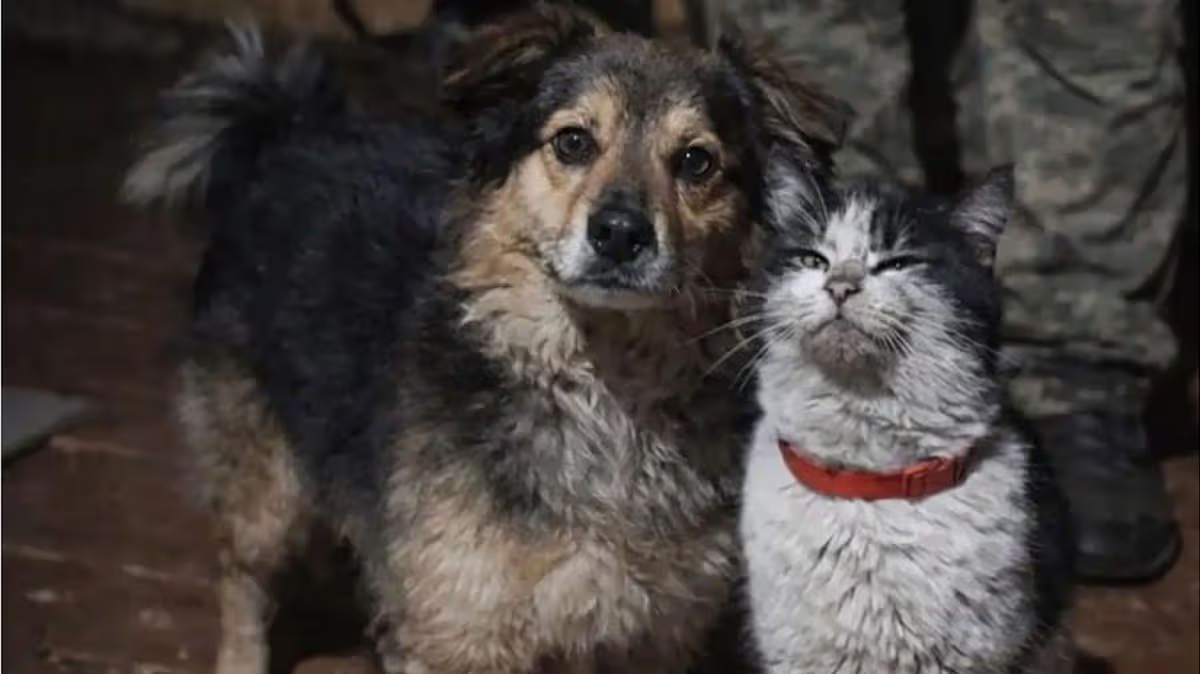
Soldiers rescued the cat and dog that were found near the contested front lines in Ukraine – the pets are now getting used to their safer conditions following the ‘risky’ evacuation
A cat and dog struck up a cute friendship after being rescued from a war zone.
The pet pals were whisked away from the frontline of the Russia-Ukraine war by Ukrainian soldiers. Supplies had been flown to the soldiers in the 14th Separate Mechanised Brigade as they defended the frontline near Kupyansk in the contested Kharkiv region.
The pets were then placed into a bag and evacuated from the frontlines and taken about eight miles away. It appeared the cat was nonchalant about the experience while the dog was happy to be on land following the flight.
One of the soldiers spoke to the cat as he helped her during the rescue. He was heard in footage posted online saying: “Ah, she is already purring, she is content. Of course, she flew, she flew, she is very happy. We’ll give you food, some proper food to eat.”
READ MORE: Aldi announces update for all stores as shoppers urged to give ‘essential’ donationREAD MORE: ‘My dog and I both had breast cancer and went through same treatment’
The animal welfare group UAnimals said of the rescue flight: “Soldiers of the 14th Mechanised Brigade evacuated a cat and a dog from a position using a drone. Risky? Yes, but leaving them there was even more dangerous, and there was no other way to get them out. The cat and dog flew 12 kilometres — they are safe and now with the soldiers. We thank the defenders for saving the most vulnerable.”
The war in Ukraine has disrupted life for some pets as well as people, causing notable changes in their behaviour. Mariia Martsiv of Ivan Franko National University in Lviv documented the behaviour of 763 animals and found more wolf-like tendencies among dogs.
In nine regions of Ukraine, dogs that had been left to roam near the frontlines displayed traits similar to wolves. She observed some dogs had erect ears and longer snouts in those closer to the fighting.
“Since the beginning of the war in Ukraine, the situation with domestic animals has been very sad,” Martsiv said, according to reports earth.com. She argued that those dogs that were not suited to the new wartime situation had died, leading those who remained to become acclimatised to their new lives.
An example were smaller dogs that were found to be more common as they are believed to have been less likely to trigger anti-tank mines and found it easier to hide in tight spaces.