Iran, the US and Israel agreed to a two-week ceasefire in an 11th hour deal that allowed Donald Trump to pull back from his threats to unleash a bombing campaign that would destroy Iranian civilisation.
But it was unclear on Wednesday if the deal had started, what it included and whether it could lead to a durable peace as the sides presented vastly different visions of the terms.
Hours after the announcement, the UAE reported an incoming Iranian missile barrage, and Kuwait’s military said its forces were responding to drones.
Iran then said an oil refinery came under attack.
US vice president JD Vance called the agreement “a fragile truce”.
Even as there were indications negotiations could begin soon, much about the deal remained unknown.
Iran said the deal would allow it to formalise its new practice of charging ships passing through the Strait of Hormuz, but the terms were not clear, nor was whether ships would feel safe using the crucial transit lane for oil.
It also was unclear whether any other country agreed to this condition.
Pakistan, which helped to mediate the deal, and others said it would pause fighting in Lebanon, where Israel has launched a ground invasion against the Iran-backed Hezbollah militant group.
Israel said it would not.
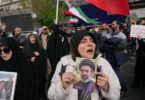
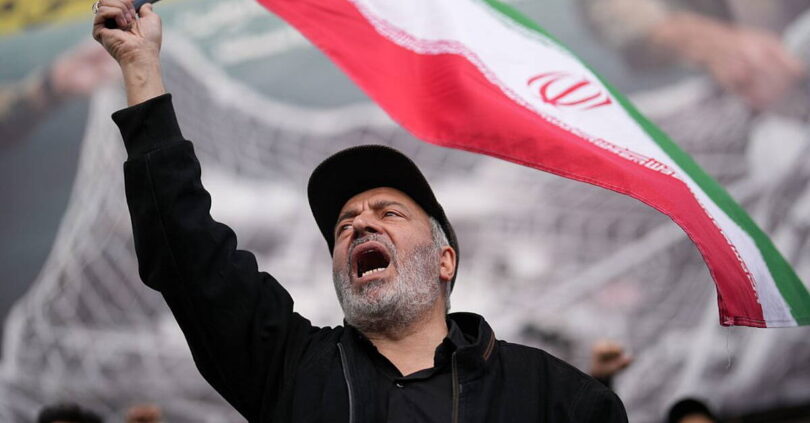
In the streets of Tehran, pro-government demonstrators screamed: “Death to America, death to Israel, death to compromisers!” after the ceasefire announcement and burned American and Israeli flags.
The chants underscored the anger animating hard-liners, who have been preparing for what many assumed would be an apocalyptic battle with the US.
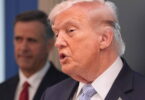
Mr Trump warned on Tuesday that “a whole civilisation will die tonight” if a deal was not reached.
Mr Trump initially said Iran proposed a “workable” 10-point plan that could help end the war the US launched with Israel on February 28.
But when a version in Farsi emerged that indicated Iran would be allowed to continue enriching uranium — which is key to building a nuclear weapon — Mr Trump called it fraudulent without elaborating.

The US president also suggested American warships would be “hangin’ around” the Strait of Hormuz, through which 20% of all traded oil and natural gas passes in peacetime.
That could be a potential flashpoint in days to come.
Iran’s demands for ending the war, meanwhile, include a withdrawal of US combat forces from the region, the lifting of sanctions, and the release of its frozen assets.
All those likely are nonstarters for Mr Trump and other Western nations.
Pakistan said that talks to hammer out a permanent end to the war could begin in Islamabad as soon as Friday.
Israel backed the US ceasefire with Iran, but Israeli Prime Minister Benjamin Netanyahu said early on Wednesday that the deal does not cover fighting against Hezbollah in Lebanon.
Israel’s military said later that fighting and ground operations continue.